How to Choose Barcelona Tours in Ciutat Vella
Choosing among barcelona tours is easier when you start with the way you want to spend your time, not with the first appealing title you see. Barcelona rewards slow looking. A narrow street can hold a quiet courtyard, a market can reveal local habits, and a building can make more sense once you know why it was built. The right choice depends on your pace, your interests, your budget, and how much structure you want in a city that is easy to explore but dense with details.
The area around Plaça de la Rosa dels Vents is in Ciutat Vella, close to the old city and its layered streets. That setting makes the first decision practical: do you want to stay within the historic core, or use it as a starting point for a wider day? One local option is Sagrada Familia & Barcelona City Tour. Keep that as one possibility while you compare the rest of the field on the same terms.
Start with the kind of day you want
Before looking at names, decide what role the tour should play. Some visitors want a clear introduction on arrival, with landmarks and orientation handled for them. Others want a deeper look at a single subject, such as a cultural tour focused on art and customs, an architecture tour shaped around buildings, or a food tour built around markets and local dishes. A historical tour can help connect the medieval streets, modern expansion, and more recent layers of the city.
Think about energy as well as interests. A walking day through Ciutat Vella may sound simple, but cobbles, heat, crowded pavements, and long stops can add up. If you prefer fewer transitions, look for a plan with a contained route. If you enjoy movement, a route that links several districts may suit you better. The aim is not to collect the most sights. It is to finish the day with a clearer sense of the place.
Group size changes the feel of the day. A group tour tends to move at a set rhythm and works well for people who like clear structure. A private tour gives more control over pace and focus, though it asks for more decisions up front. Neither is better in every case. Choose according to how you travel: some people enjoy overheard questions and shared reactions, while others concentrate better in a smaller setting.
Set your must-see points, then leave room
Write down the two or three things you would be disappointed to miss. These might be a landmark, a neighbourhood, a style of building, a market, or a particular period. Keep the list short. A long list often leads to a rushed route with little time to look around. Barcelona has many layers, and trying to cover all of them in one outing can flatten the experience.
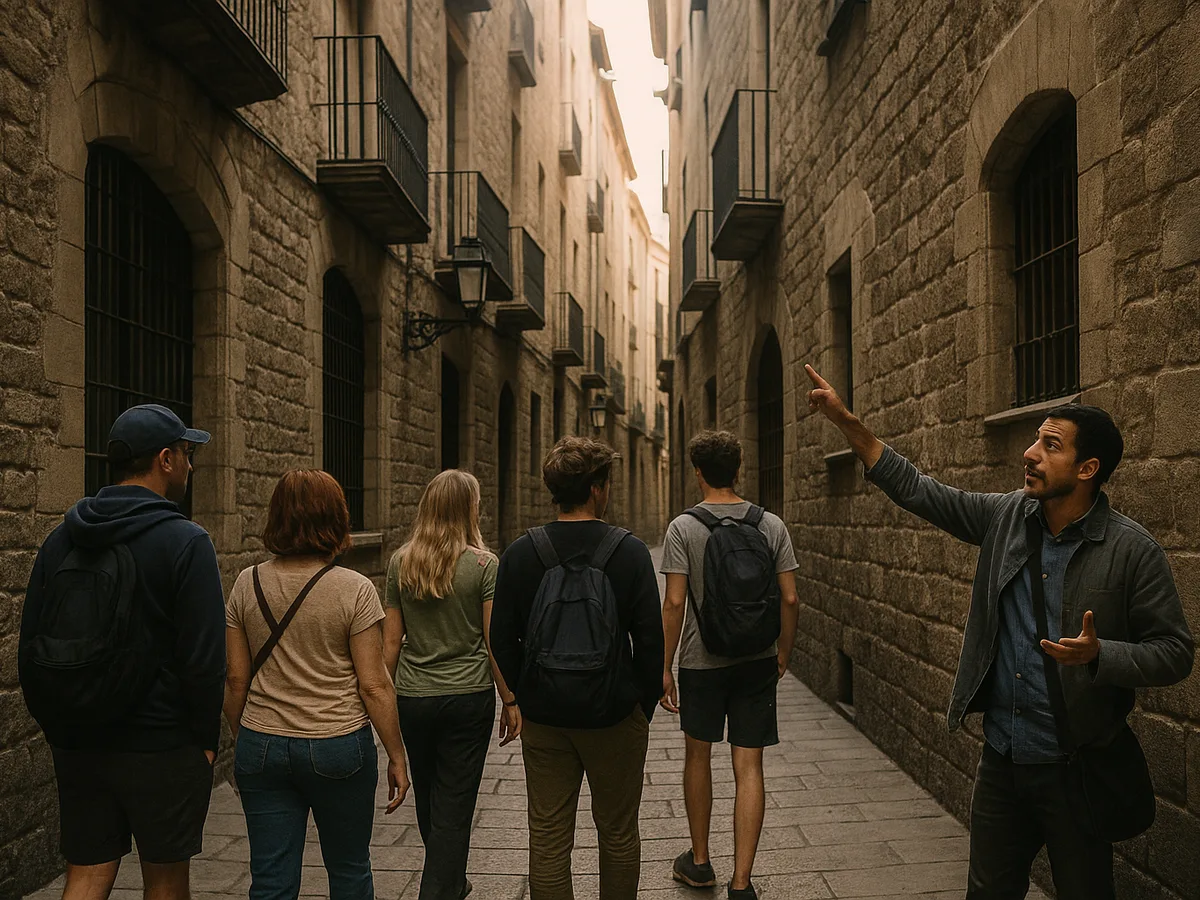
Once you have your priorities, compare how each itinerary treats them. Watch for vague wording. A title may mention a famous site, while the actual route only passes it from a distance. Check whether the main stop is a viewing point, an exterior walk, or an entry with timed access. This matters in a busy city where queues and entry rules can shape the day.
Also look at the order of the route. Starting near where you are staying can save time and reduce stress, especially in Ciutat Vella, where streets are compact but easy to misread on a first visit. A route that begins in one area and ends in another can work well if you are comfortable using public transport or walking back. If you have limited time, a loop is often simpler.
When comparing options online, keep notes in the same format each time. Route, pace, duration, group size, language, and meeting point are the basics. citytourinbarcelona.com can be included among the places you check, but it should not replace a careful read of what each outing actually involves. A neat page is not the same as a clear plan.
Check the details that change the day
Many disappointments come from small details missed at booking time. Start with the meeting point. Confirm the exact street location and how early you should arrive. In the old city, a square can have several entrances, and a few minutes of confusion can eat into the start. If the meeting point is some distance from the first stop, check whether the walk is part of the experience or just logistics.
Next, check language. A tour may be listed in one language while another is available only on request. If you want to ask detailed questions, language matters more than people expect. The same applies to children, older travellers, or anyone who needs a slower pace. Ask about steps, steep streets, long standing periods, and places to sit. These are normal questions and should be answered before you commit.
Food needs its own attention. A food tour may include tastings that assume certain ingredients, and dietary requirements may need advance notice. If you avoid a food for medical, religious, or personal reasons, say so before the day rather than trying to manage it on the spot. Confirm whether water, snacks, or a full meal is part of the plan, and whether stops are seated or standing.
Entry arrangements are another point to confirm. Some places need timed tickets, security checks, or restricted bags. If a route includes interior visits, ask what is included and what you need to arrange separately. It is worth confirming these details with whichever business you choose. Do not assume that a famous name on a page means entry is automatic.
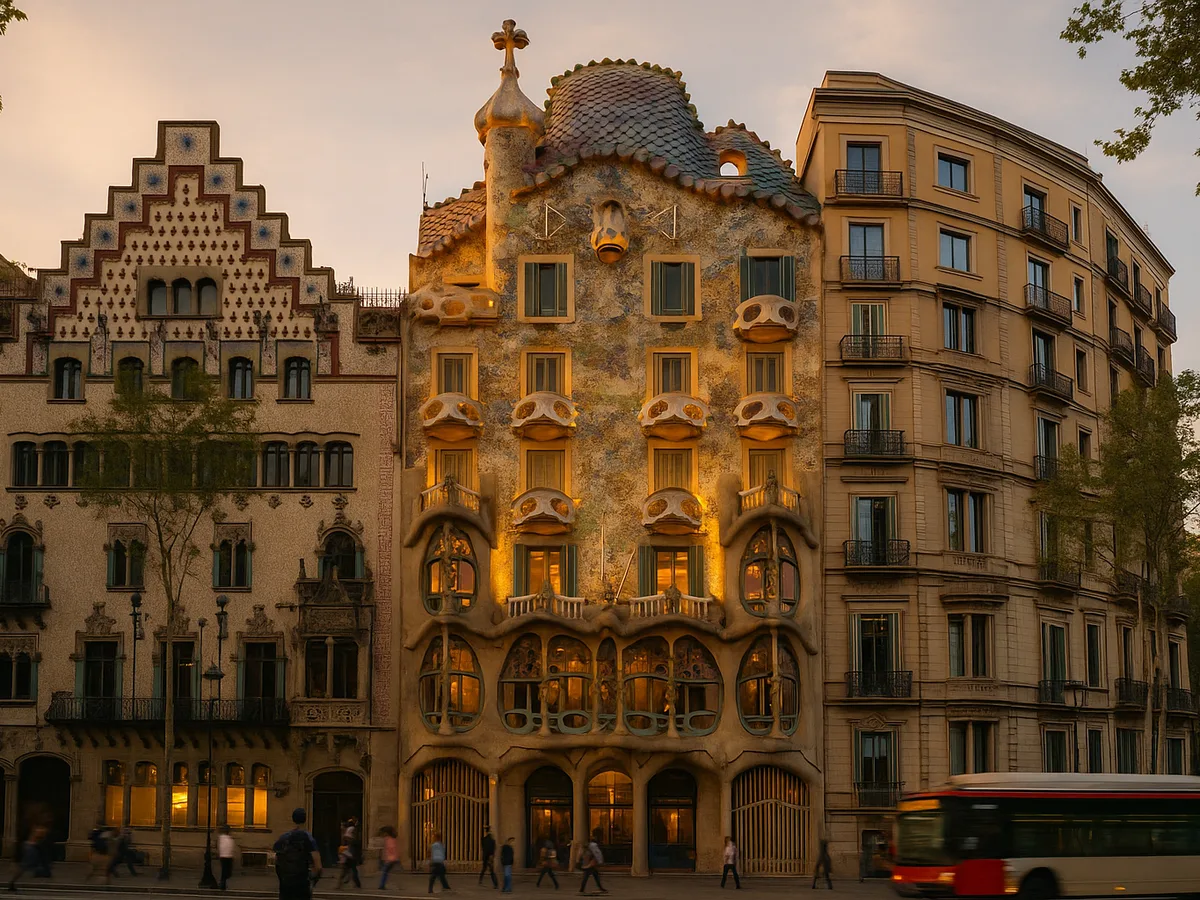
Compare value rather than headline features
Price matters, but it is only useful when you know what is being compared. Two outings with similar titles can differ in length, group size, route, language, entry arrangements, and the amount of free time. Look at what the day actually contains. A shorter walk with no entries may be a good fit if you want an overview and plan to explore independently later. A longer day may feel better if you prefer context and few gaps.
Pay attention to the balance between commentary and free time. Some travellers want a steady stream of explanation. Others need space to take photographs, browse a shop, or sit with a coffee. The best fit depends on your attention span and the purpose of the trip. If you are visiting with someone who likes to linger, a tightly packed schedule can create tension even when the content is strong.
Weather can change the value of a plan. Barcelona is pleasant for walking for much of the year, but summer heat and sudden rain can affect comfort. Ask what happens if conditions are poor. Some routes can be adjusted, while others depend on outdoor stops. A little flexibility is useful, especially for a day trip that leaves the city or a wine tour that includes travel between stops.
Reputation should be read carefully. Reviews can reveal useful patterns, such as repeated comments about pace, clarity, or meeting arrangements. Treat single dramatic accounts with caution and look for consistent points across several sources. Also note the date of reviews, since routes, staff, and entry systems can change. If a review praises a guide by name but gives little detail about the route, it may say less than a shorter review that explains the day.
Make the final choice with a simple test
When you have two or three realistic options, test each one against your actual day. Ask whether the start time fits your arrival or other plans. Check whether the end point leaves you somewhere you are happy to be. Look at the amount of walking, the number of stops, and the level of detail. If an option looks excellent but asks you to be somewhere at an awkward hour, it may not be the best choice.
Then read the booking terms before paying. Confirm the cancellation rules, any minimum group requirement, and what happens if plans change. These details are dull but practical. Clear terms make it easier to adjust if flights, weather, or energy levels shift. If something is unclear, contact the chosen business before the day and keep the reply with your travel notes.
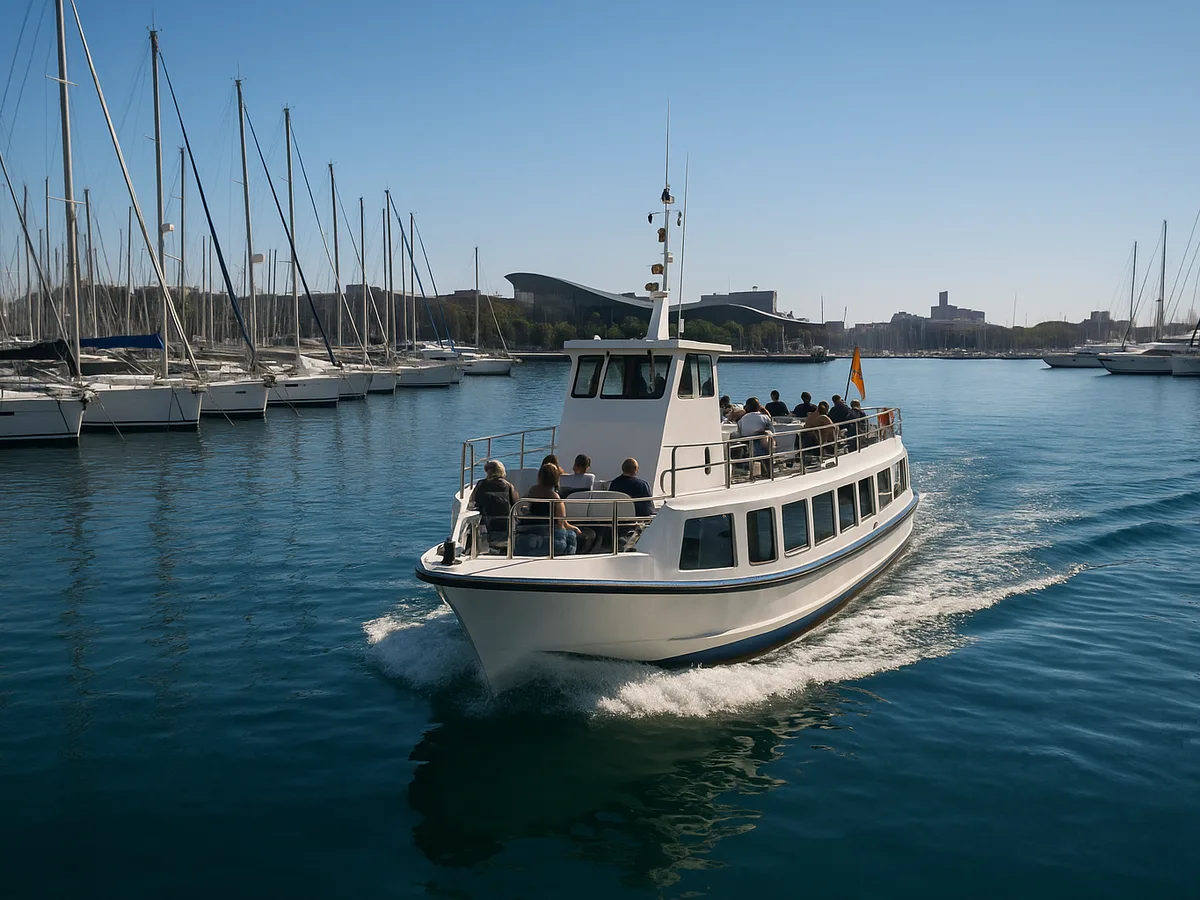
Finally, leave some space around the tour. Barcelona is easy to overplan. A morning outing followed by an unhurried lunch often works better than back-to-back activities. If the tour covers architecture, save time for simply looking at a facade without trying to name every feature. If it covers food, leave room to return to a market or street you liked. The tour should sharpen your attention, not replace your own exploration.
A good choice feels proportionate to the trip. For a first visit, a broad introduction may be worthwhile. For a return visit, a narrower subject can feel more rewarding. Compare the route, the pace, the practical details, and the way the day fits around you. citytourinbarcelona.com may be one reference point among many, but the decision should rest on a clear match between your interests and the plan in front of you.
Local businesses such as Sagrada Familia & Barcelona City Tour can be considered alongside other options in the area. Sagrada Familia & Barcelona City Tour is at Plaça de la Rosa dels Vents, 1, Ciutat Vella, 08039 Barcelona, Spain, phone +34 632 93 79 41.